Imagine a space where children and adults alike can explore, learn, and grow through sensory stimulation. With the demand for sensory gyms on the rise, the importance of selecting the right soft play equipment has never been greater. Whether you’re designing a sensory gym for kids with special needs or creating a therapeutic environment for adults, understanding the right tools is key to building an effective and engaging space.
Understanding the Needs of Sensory Gyms
The sensory gym market has experienced significant growth in recent years. According to Grand View Research (2023), the global sensory equipment market is projected to reach $4.2 billion by 2028, growing at a CAGR of 6.5%. Sensory gyms are no longer limited to therapy clinics; schools, community centers, and even private households are investing in these specialized environments. The driving force behind this expansion is a growing awareness of the benefits of sensory stimulation, particularly for individuals with autism spectrum disorder (ASD), ADHD, and other developmental challenges.
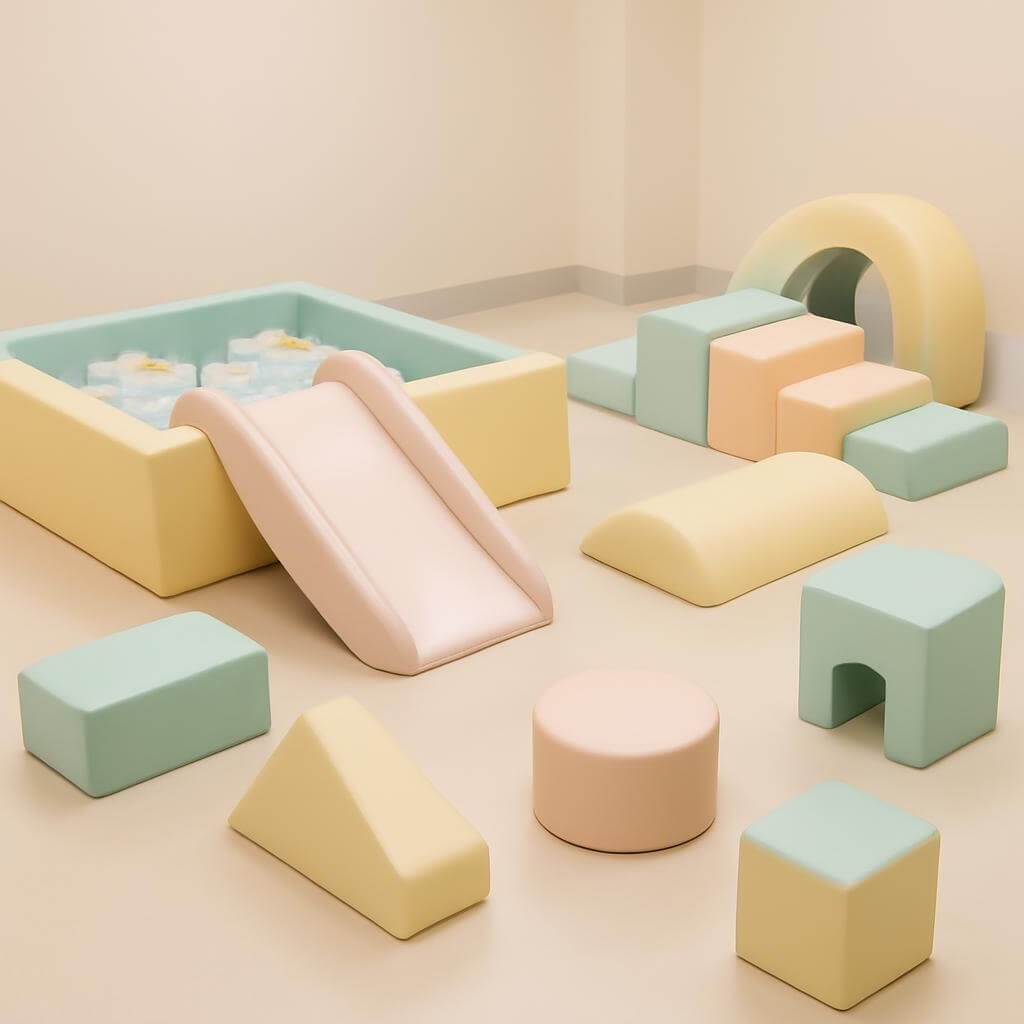
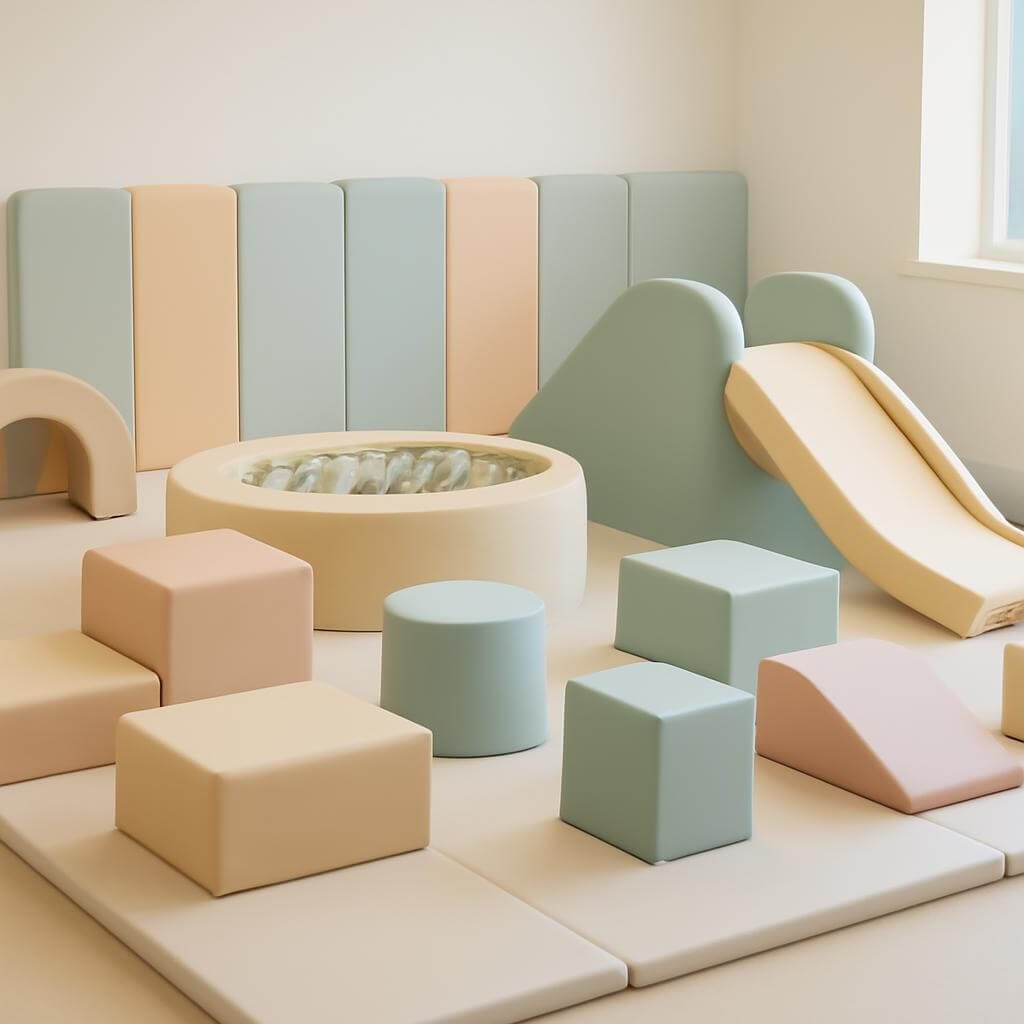
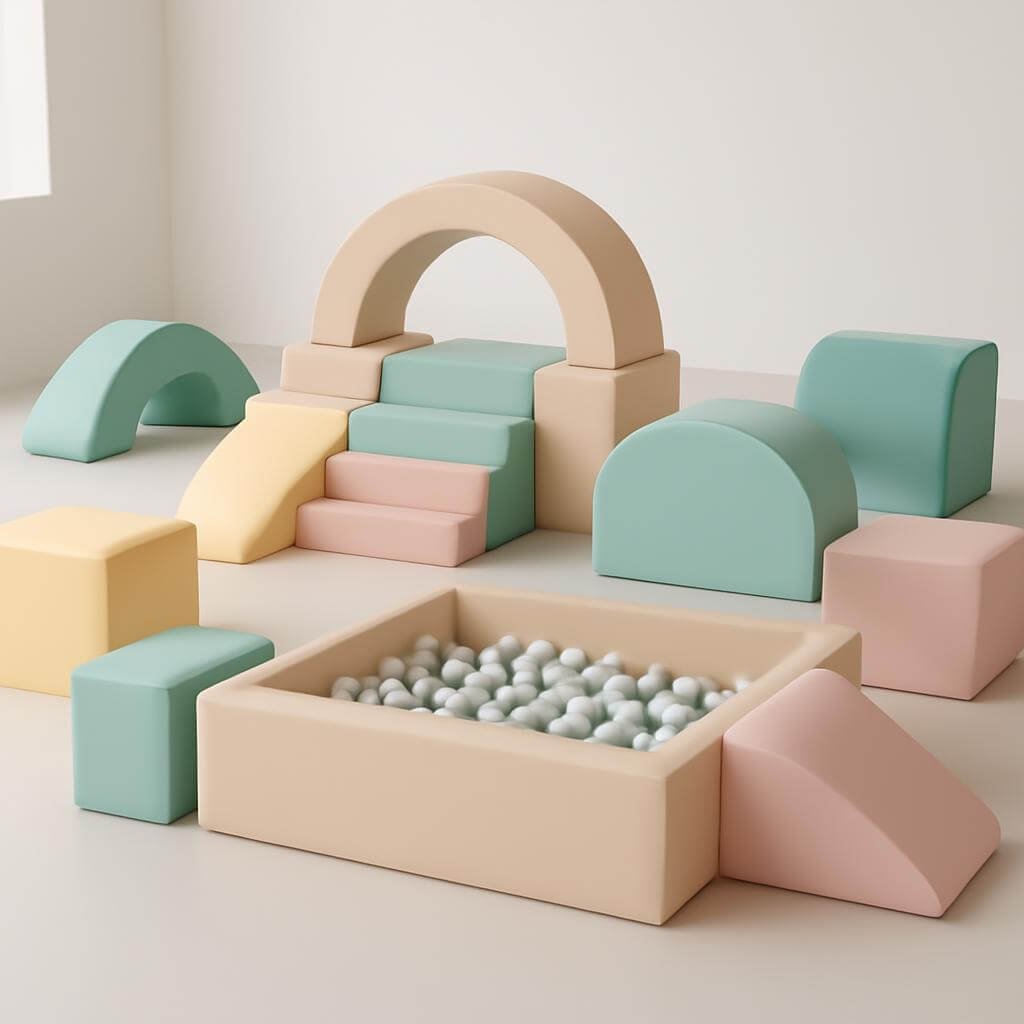
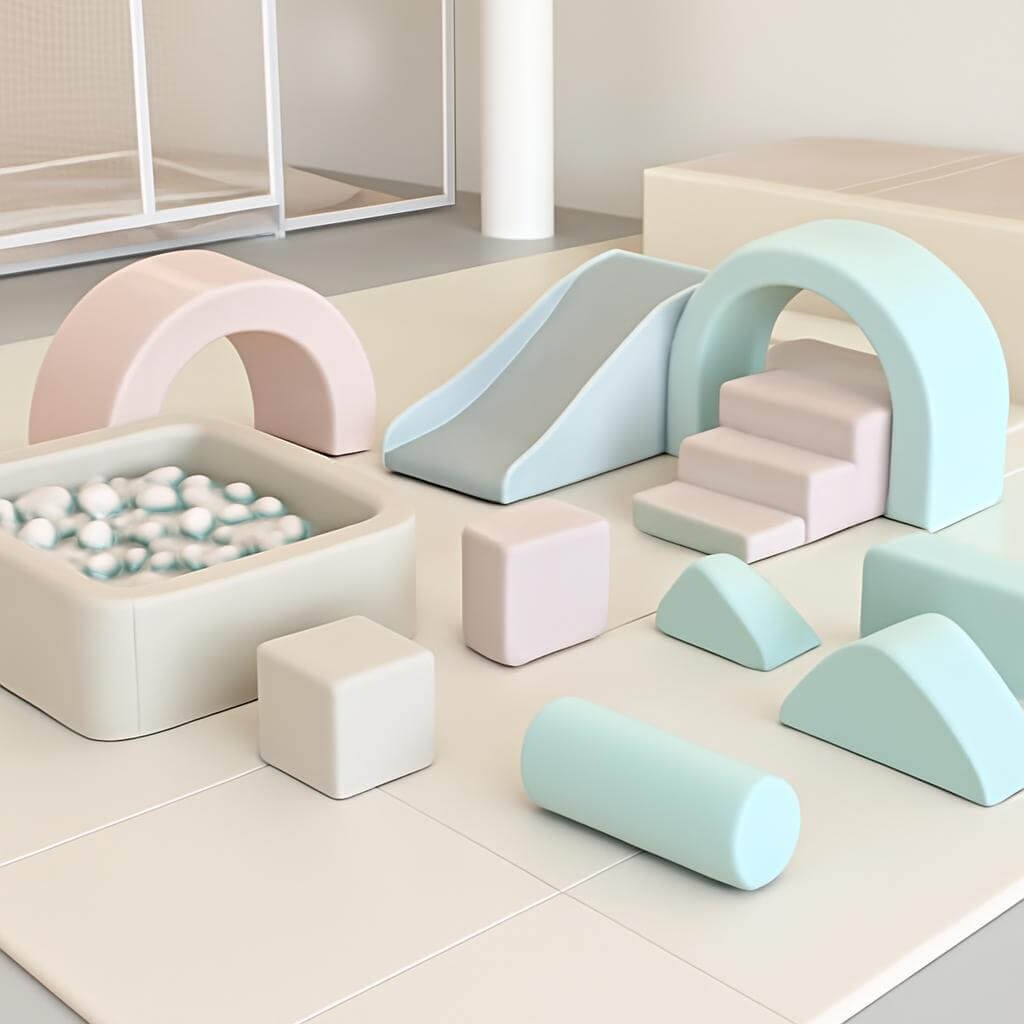
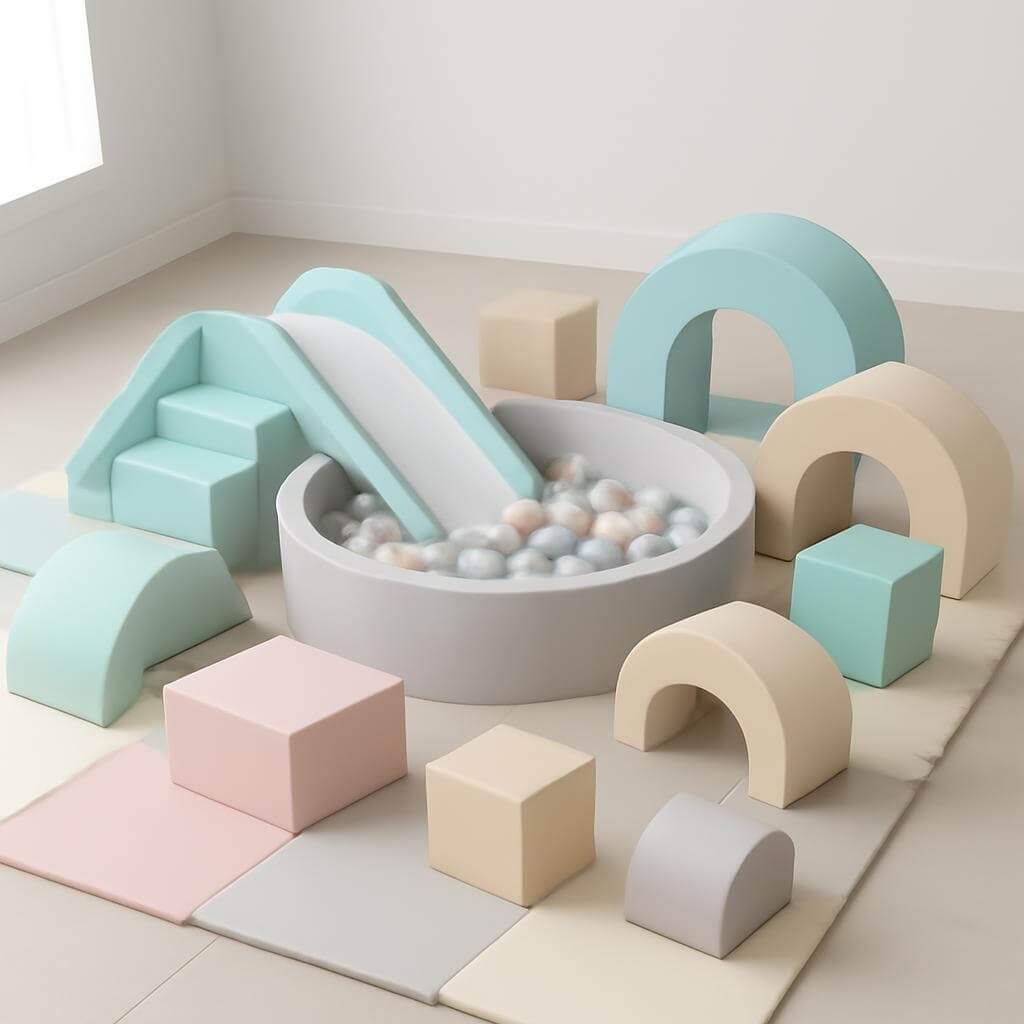
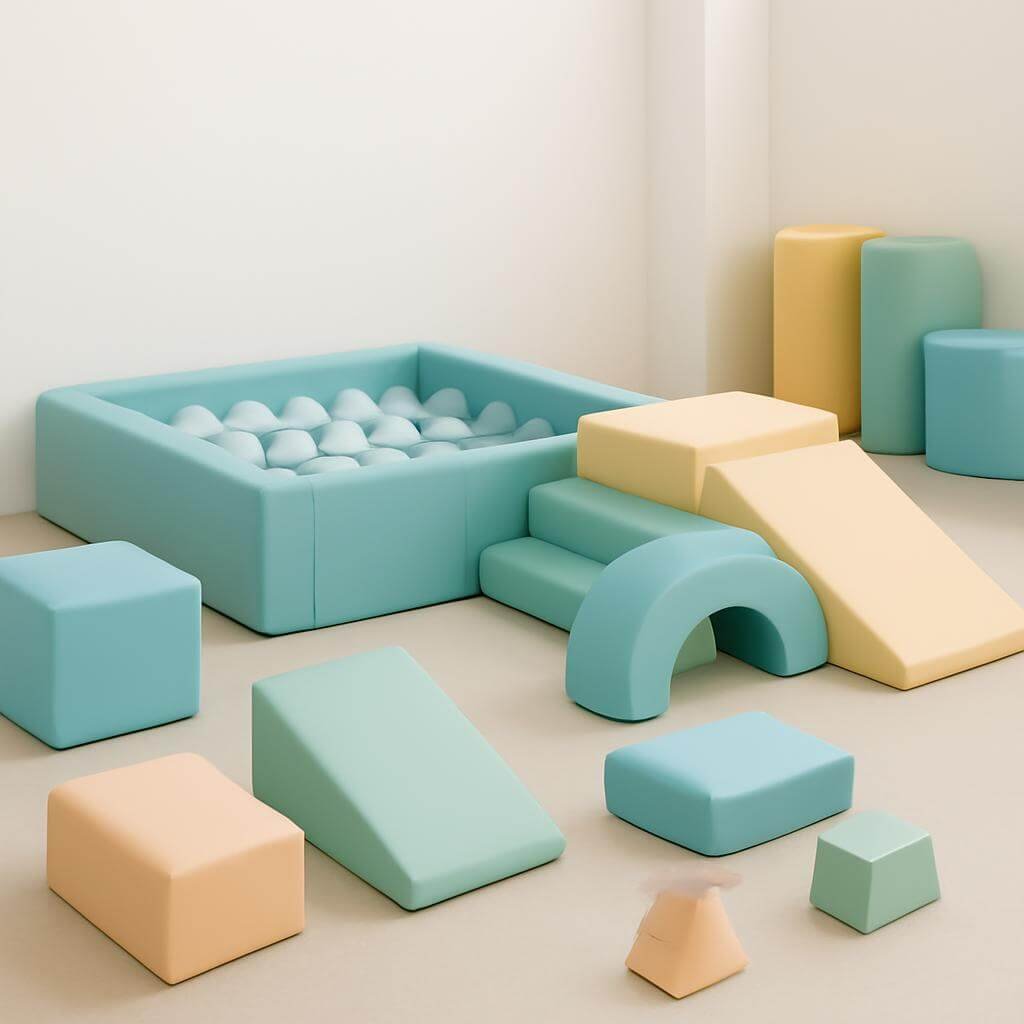
Key components of a sensory gym include soft play equipment, sensory lighting, bubble tubes, and interactive panels. Soft play equipment, in particular, is a cornerstone, offering safe, customizable, and engaging options for users. Products like foam climbing blocks, ball pits, and cushioned mats not only provide physical activity but also enhance coordination, balance, and motor skills.
Choosing the Right Soft Play Equipment: Expert Insights
When selecting soft play equipment, customization, durability, and safety are paramount. Dr. Emma Hall, a pediatric occupational therapist, emphasizes, “Soft play equipment should cater to a range of sensory needs, from calming activities to exciting, energy-burning play. It’s important to choose materials that are non-toxic, easy to clean, and compliant with safety standards like ASTM and EN-71.”
Here are some factors to consider:
- Customization: Opt for equipment that can be tailored to your specific gym layout and user needs. Companies like 7STAR offer factory-direct customization, ensuring every piece fits your goals.
- Versatility: Look for multi-functional equipment, such as foam blocks that can double as climbing structures and seating areas.
- Durability: High-quality materials like reinforced vinyl and heavy-duty foam ensure your equipment withstands frequent use.
For example, a custom indoor playground from 7STAR can include over 5,000 proven formulations of sensory tools, all backed by GMP and ISO 22716 certifications. This ensures both safety and performance for your sensory gym.
Industry Standards & Best Practices for Sensory Gym Equipment
Adherence to regulatory standards is non-negotiable when sourcing soft play equipment. The FDA, ASTM, and CE certifications guarantee that materials are safe for kids and adults. Additionally, ISO 9001 and 22716 standards ensure quality management during production.
For instance, foam play products should meet flammability standards and be free of harmful chemicals like phthalates. Furthermore, equipment designed for sensory gyms must be easy to sanitize, a crucial feature in shared spaces.
7STAR excels in meeting these standards, providing factory-direct manufacturing with low minimum order quantities (MOQs), starting as low as 500 units. This makes them a trusted partner for businesses looking to build safe, compliant sensory gyms.
Implementation Guide: From Design to Success Metrics
Designing a sensory gym requires a strategic approach. Start by identifying your target audience—toddlers, children, or adults—and their specific needs. For instance, a gym for toddlers might focus on brightly colored foam blocks and interactive panels, while a setup for adults could incorporate calming sensory rooms with dim lighting and weighted blankets.
Key success metrics include:
- User engagement: Track how frequently equipment is used and the duration of interactions.
- Therapeutic outcomes: Measure improvements in motor skills, coordination, or sensory processing abilities.
- Customer feedback: Regular surveys can help identify areas for improvement.
With over 10 years of experience serving 500+ global clients, 7STAR provides expert guidance on designing sensory gyms. Their team can assist in equipment selection, customization, and layout planning, ensuring your project is a success.
Future Outlook & Strategic Recommendations
The future of sensory gyms lies in technological integration. Smart equipment, such as interactive panels with real-time feedback, is becoming increasingly popular. Additionally, augmented reality (AR) and virtual reality (VR) tools are being explored to enhance sensory experiences.
To stay competitive, businesses should invest in durable, customizable, and regulatory-compliant equipment. Partnering with established manufacturers like 7STAR ensures access to the latest innovations and high-quality products. For inquiries, visit 7STAR’s contact page today to build your dream sensory gym.